search

E-Mobility assembly solutions

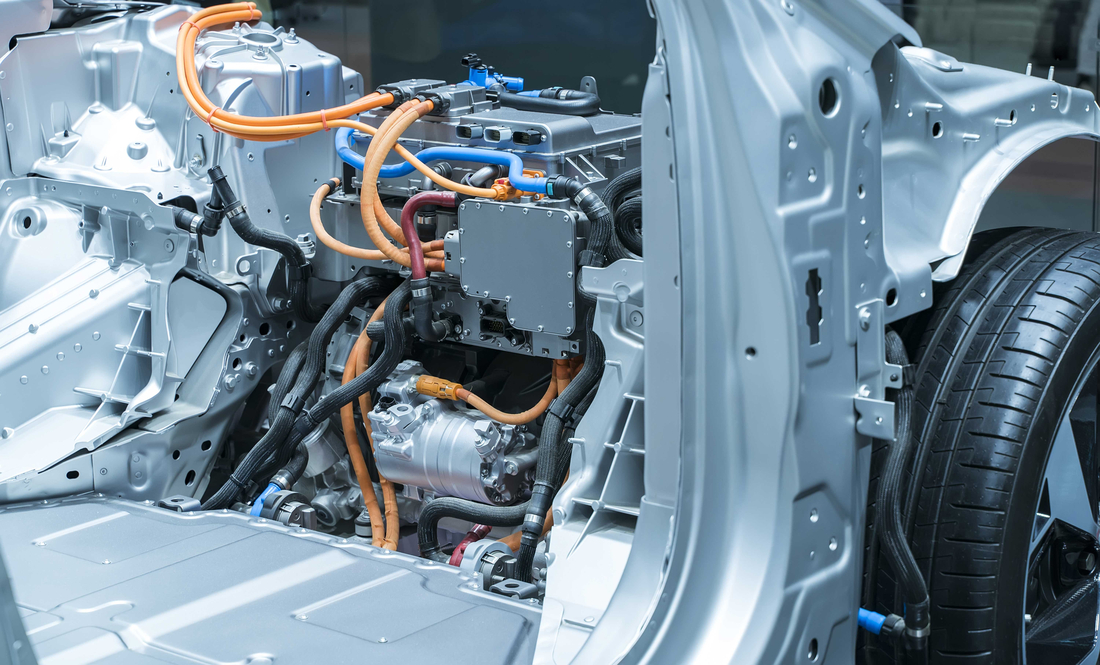
Electric mobility imposes certain requirements on the assembly process: maximum process reliability for safety-related components, high flexibility due to the wide variety, traceability requirements and reliable electrostatic directed discharge (ESD capability) of the system components. In addition, these components require an assembly environment that complies with technical cleanliness guidelines and also scores high on ergonomic and safety aspects.

The complexity of the different tasks is a challenge for an economical approach. The solution: DEPRAG – your innovative partner in the field of electric mobility!

From manual components and workstations to semi-automatic or fully automatic assembly systems, we offer flexible assembly solutions for all stages of expansion, which can be adapted to the current market situation at any time. This flexibility specifically counteracts planning uncertainties and enables reactive responses to changing requirements.

Products for all stages of expansion, from a single source, available internationally.

E-Mobility key components

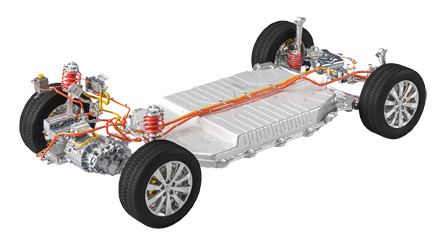
> > > Body in white, body-in-white, body chassis

> > > Electric motors and gears

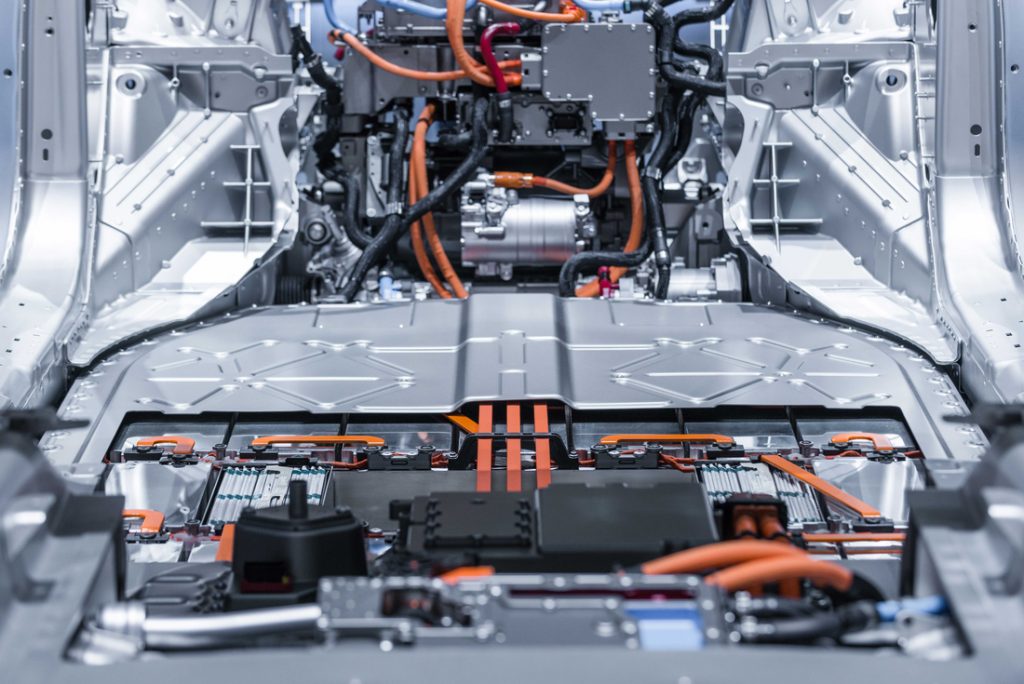
> > > Battery pack

> > > Battery housing

> > > Power and control electronics

- Inverter
- On-board charger OBC
- Battery management system BMS
- IGBT

Battery mounting

The innovative high-voltage components of an electric vehicle pose unprecedented challenges for production assembly. The integration of high-voltage components requires radically new solutions. In addition, the issue of high voltage must be taken into account in the assembly process.

Electric vehicles have significantly higher voltages (up to 800 volts DC). This requires greater safety measures for operators in the assembly process.

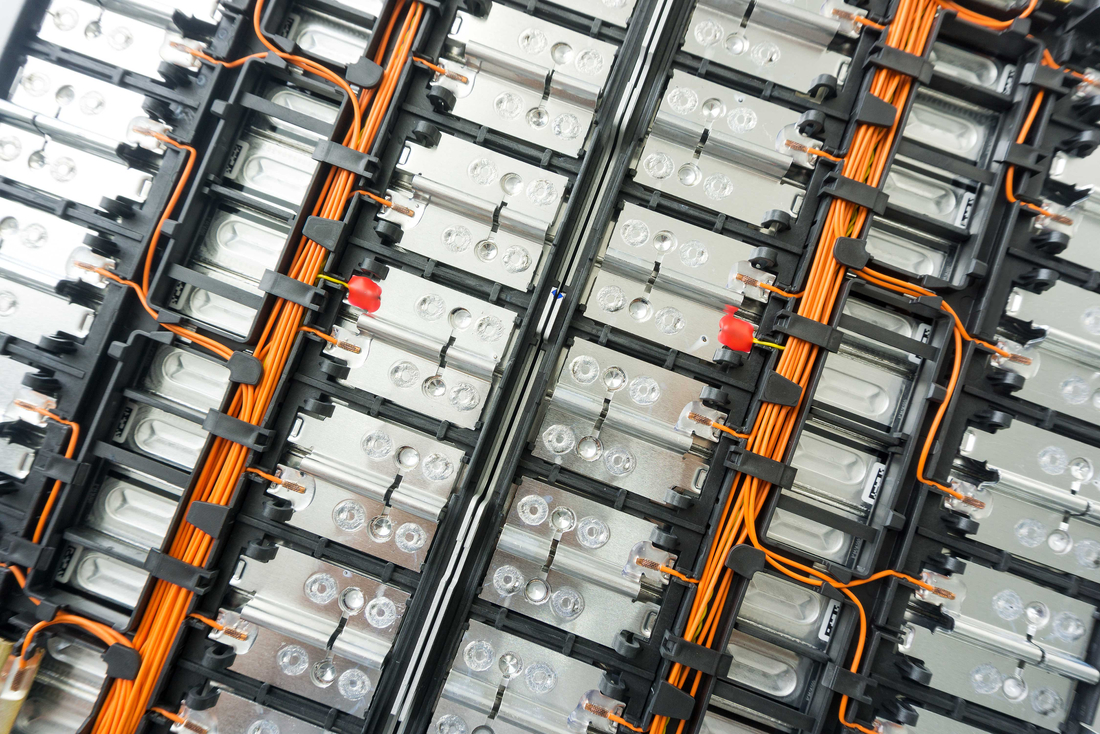
During battery assembly, the cell module is assembled first. The individual battery cells are stacked, placed in the battery housing and connected to the battery management system. In a next step, the current collector is connected to the power supply, the wiring is checked and the housing is closed. Subsequently, the power supply and contacts are connected before the finished modules are tested. The individual cell modules are fixed to a floor element by means of contact rails and assembled with fasteners. Finally, electronic boards and seals can be attached.

Insulated screwdriving tools

Technical cleanliness

Safety at work:
Insulated solutions protect both the operator and the tool from electric shock. Applicable standards are complied with, e.g.

– ISO 6469-3
Electrically propelled road vehicles – Safety specifications – Part 3: Electrical safety

– DIN EN IEC 60900 (VDE 0682-201)
Live working; Hand tools for use up to 1000 V AC and 1500 V DC

and many more. Of course, we work according to your specifications and can react flexibly to the required standards in the field of electric mobility.

Traceability:
Adaptable bolting procedures to ensure complete traceability.

Technical cleaning:
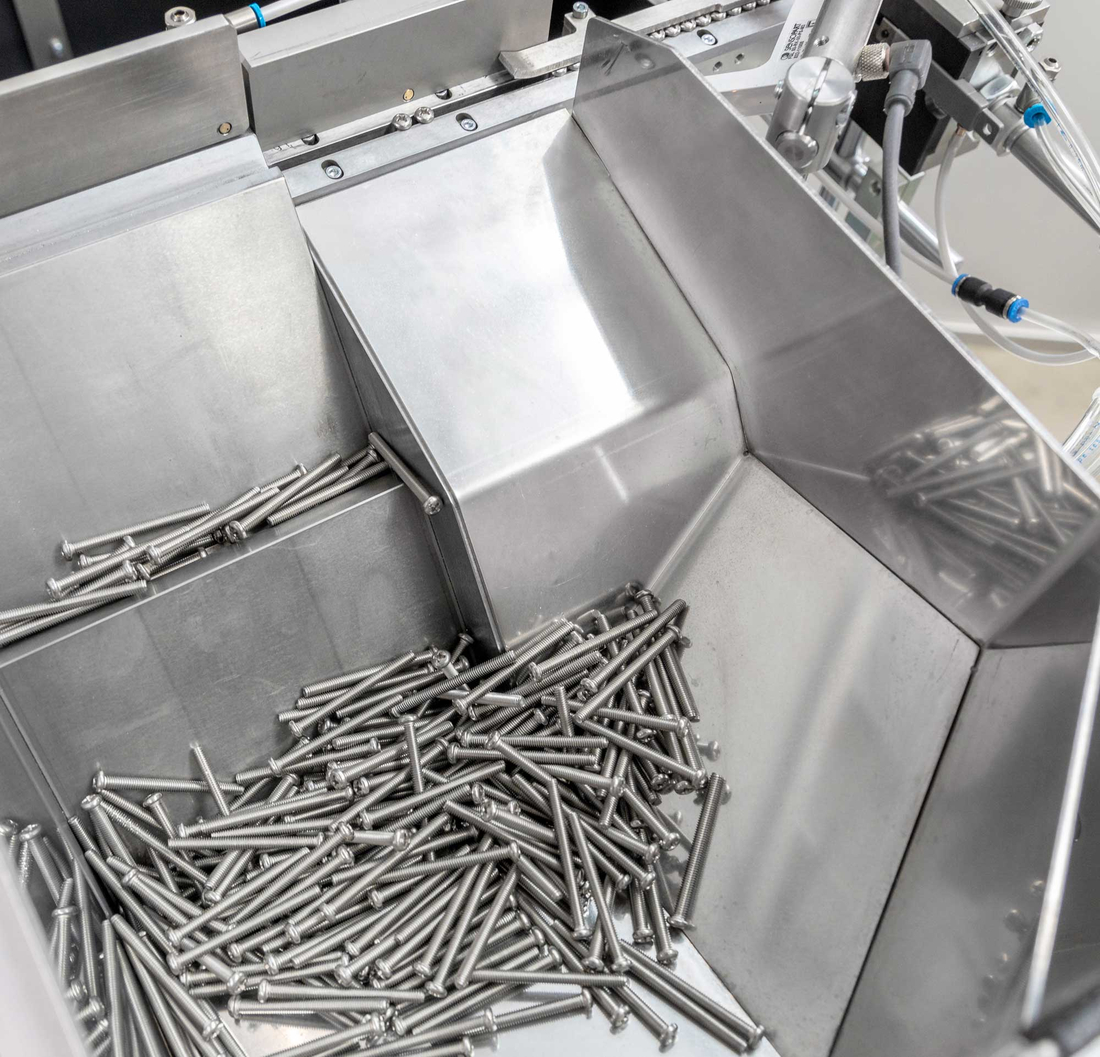
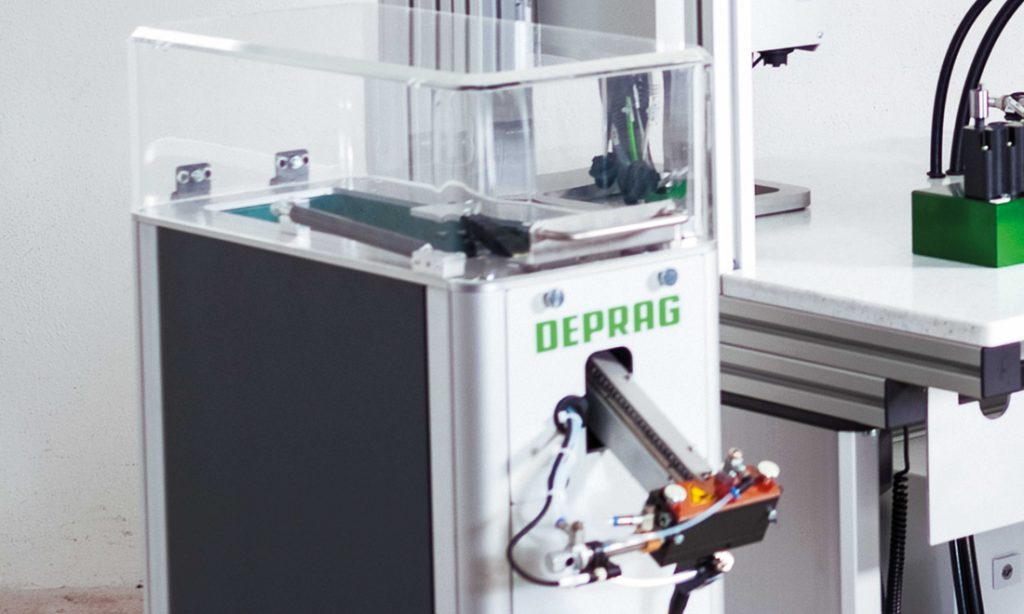
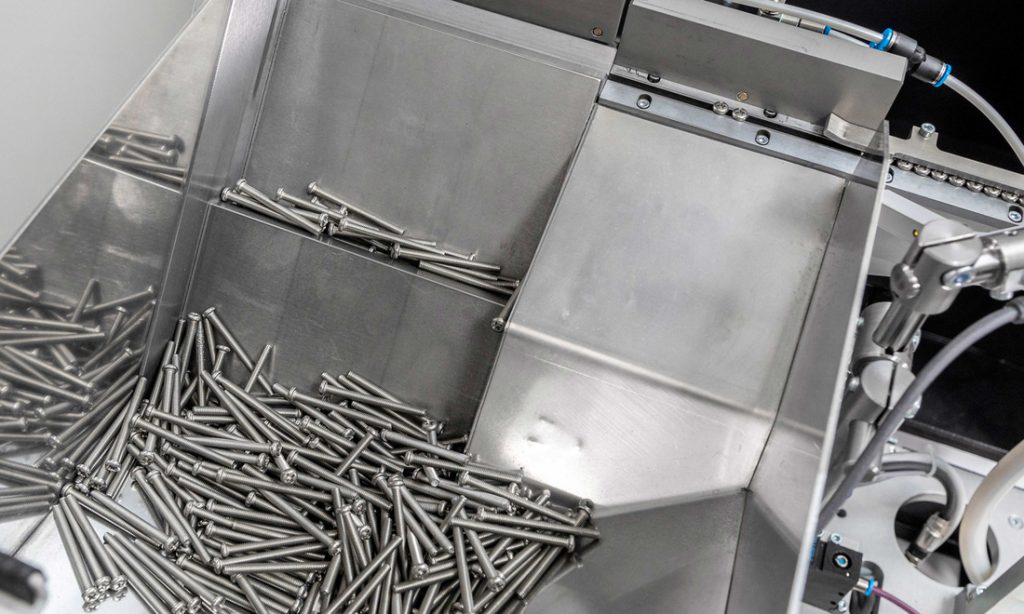
DEPRAG CleanFeed concept with screwdriving function module with vacuum suction and screw feed via step feed system.

Power electronics assembly

Technical cleanliness is of utmost importance for the assembly of electronic components and modules in the field of power electronics and in particular in the field of high-voltage components: particle contamination can quickly lead to insulation errors, mechanical blocking of contacts, weakening or interruption of high-sensitivity photoelectric barriers. components in power electronics.

Critical particles can be created directly within the process, due to both the large number of components introduced into the process and the assembly steps themselves. Particularly conductive particles can cause high voltage arcing and short circuits.

Due to the complex design of the individual components, the operator may often have to deal with screw positions that are difficult to access and must be assembled in a specific sequential order.

Technical cleaning – CleanFeed

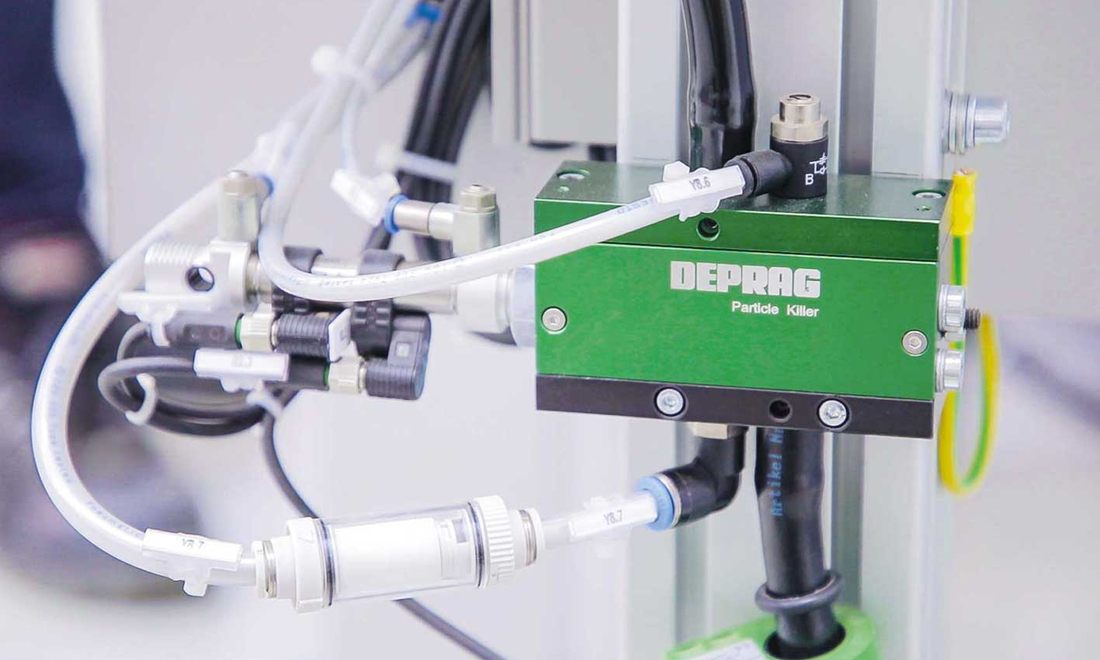
DEPRAG particle killer:
dirt particles are targeted and removed from the conveyor.

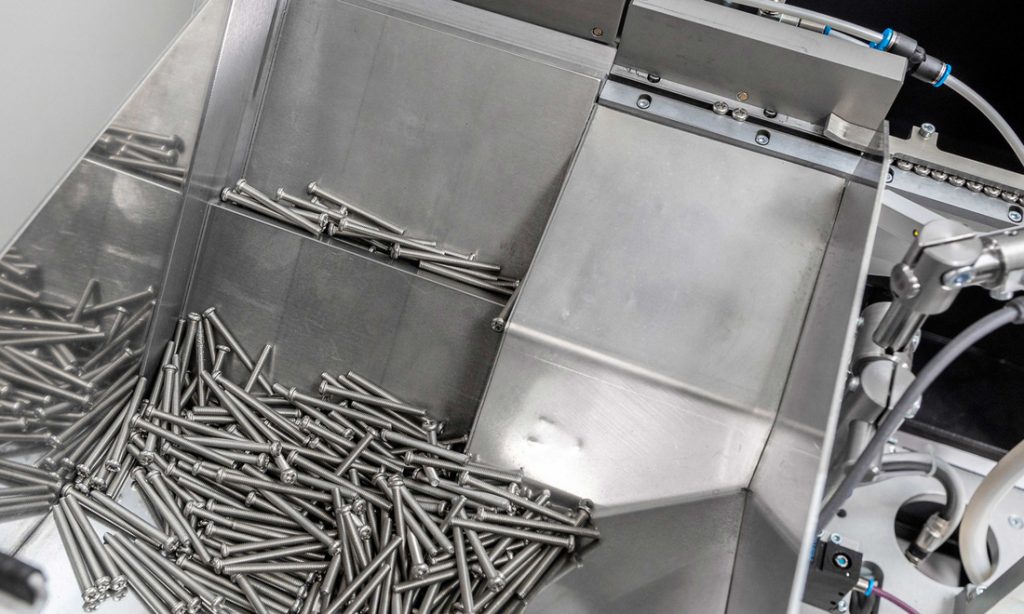
Low abrasion, gentle feeding with DEPRAG sword feeder

DEPRAG eacy step feed

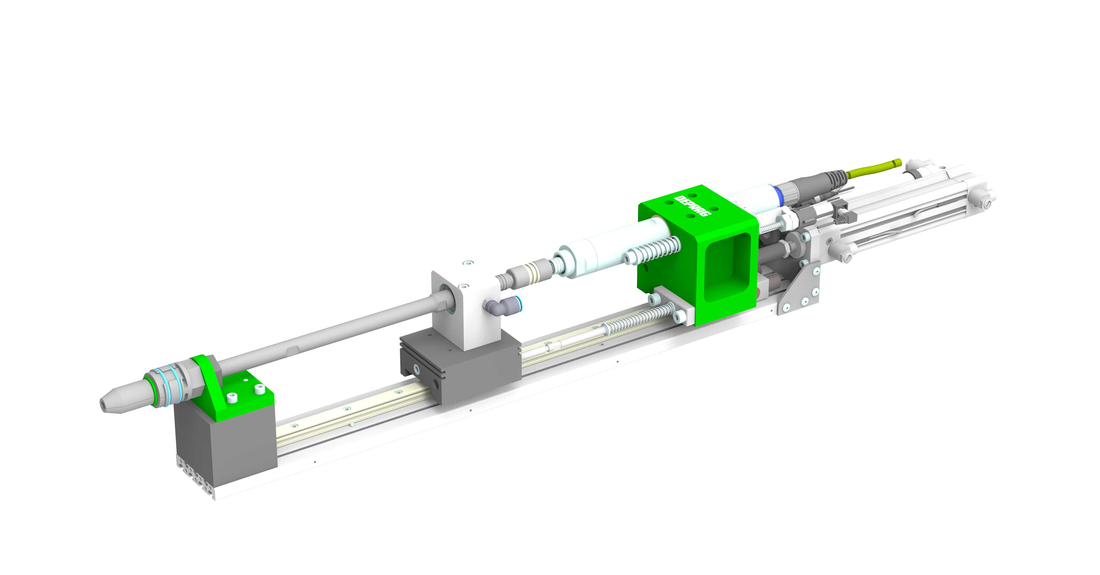
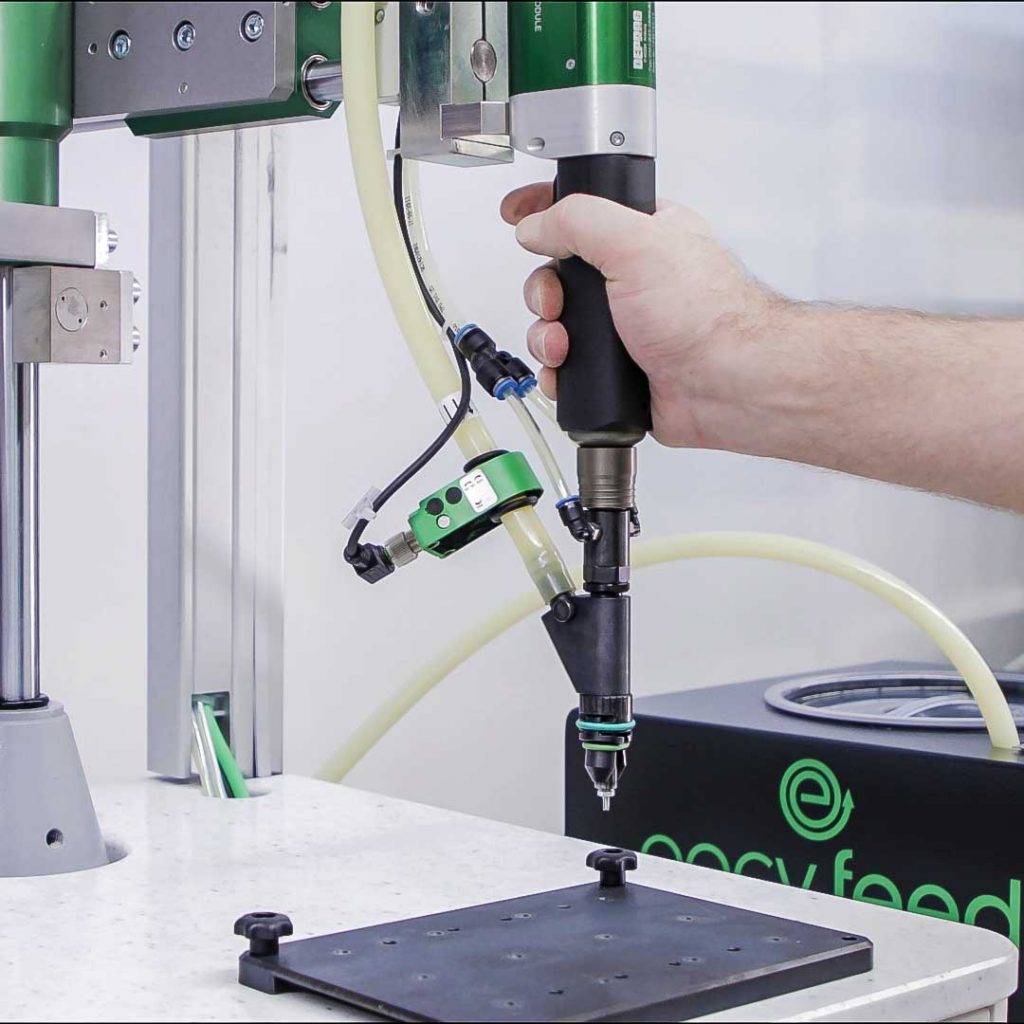
Vacuum suction

For screws that are difficult to access

DEPRAG DFM feeding module with vacuum:
– fatigue-free operation
– optimized cycle time
– technical cleanliness

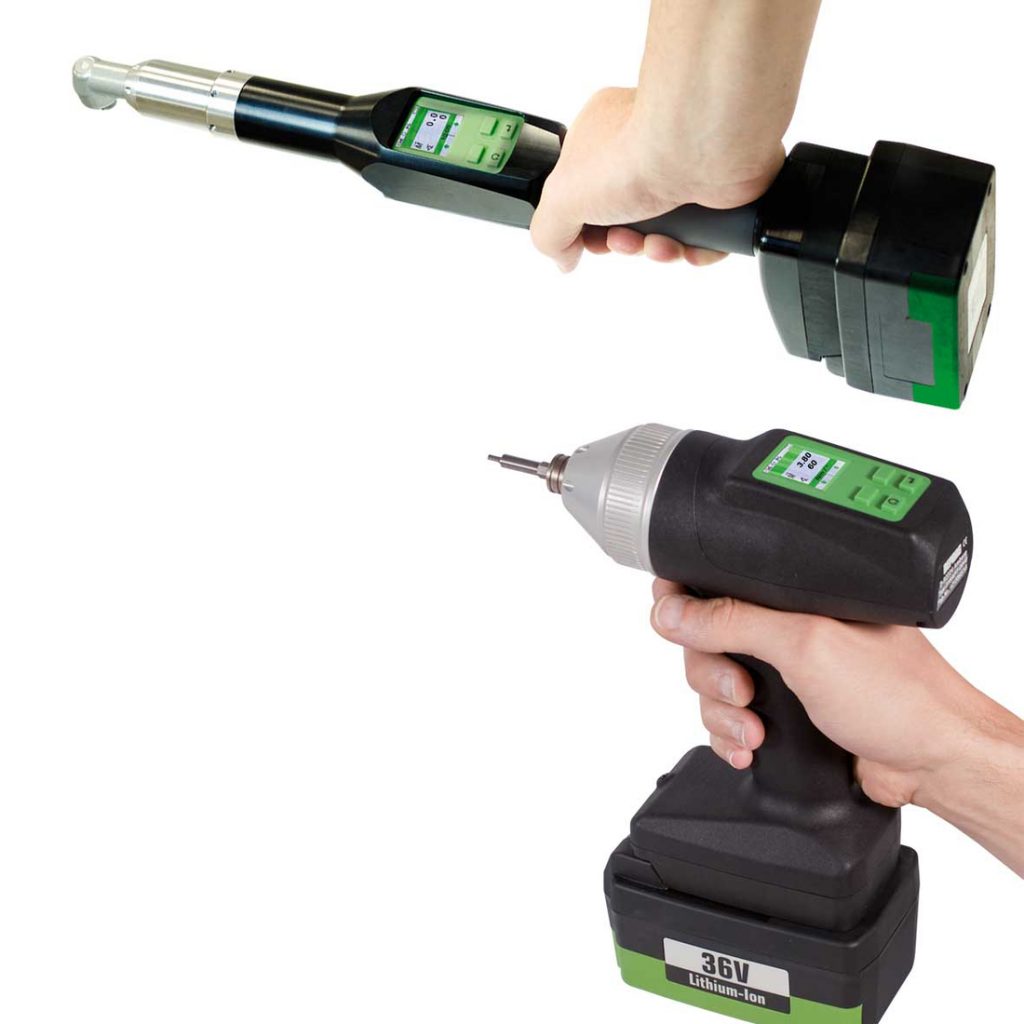
DEPRAG EC cordless tools:
– flexible
– available documentation
– easy to use
– high performance
– wireless communication

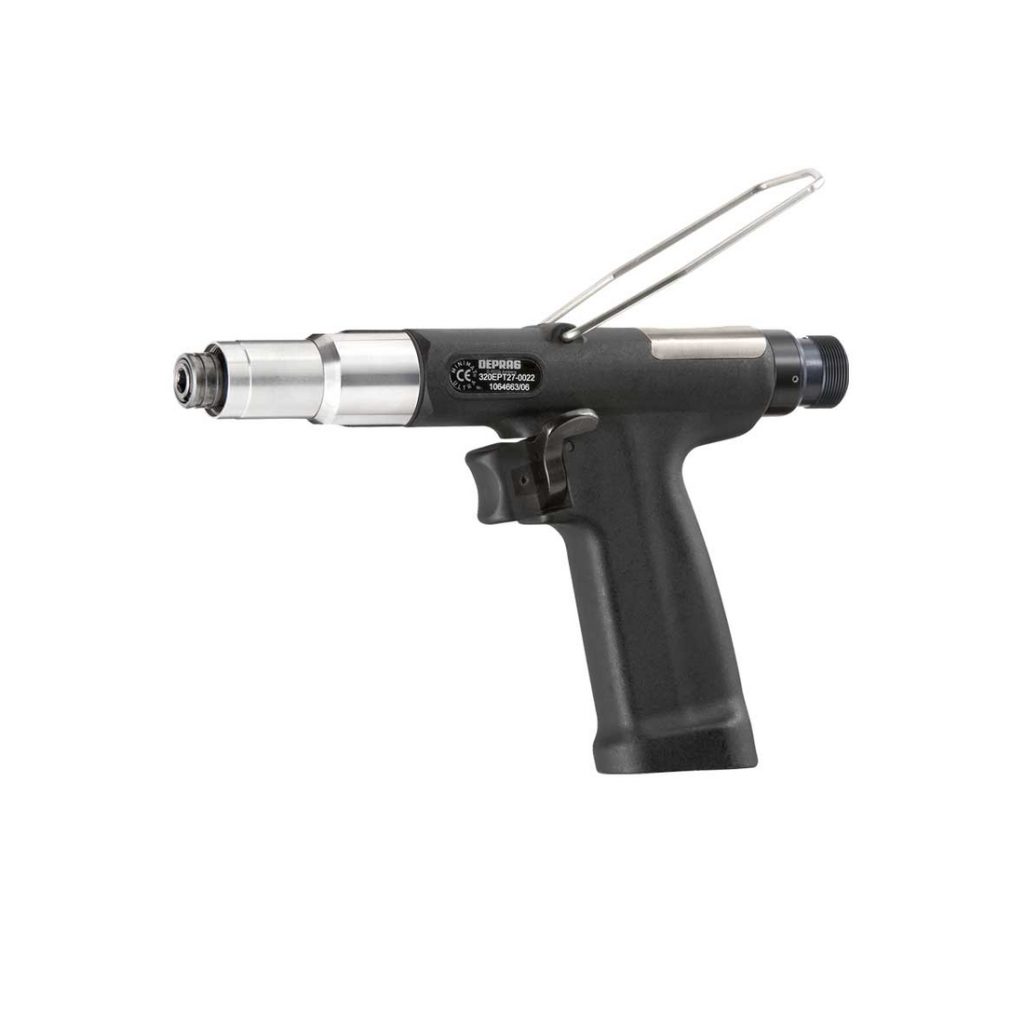
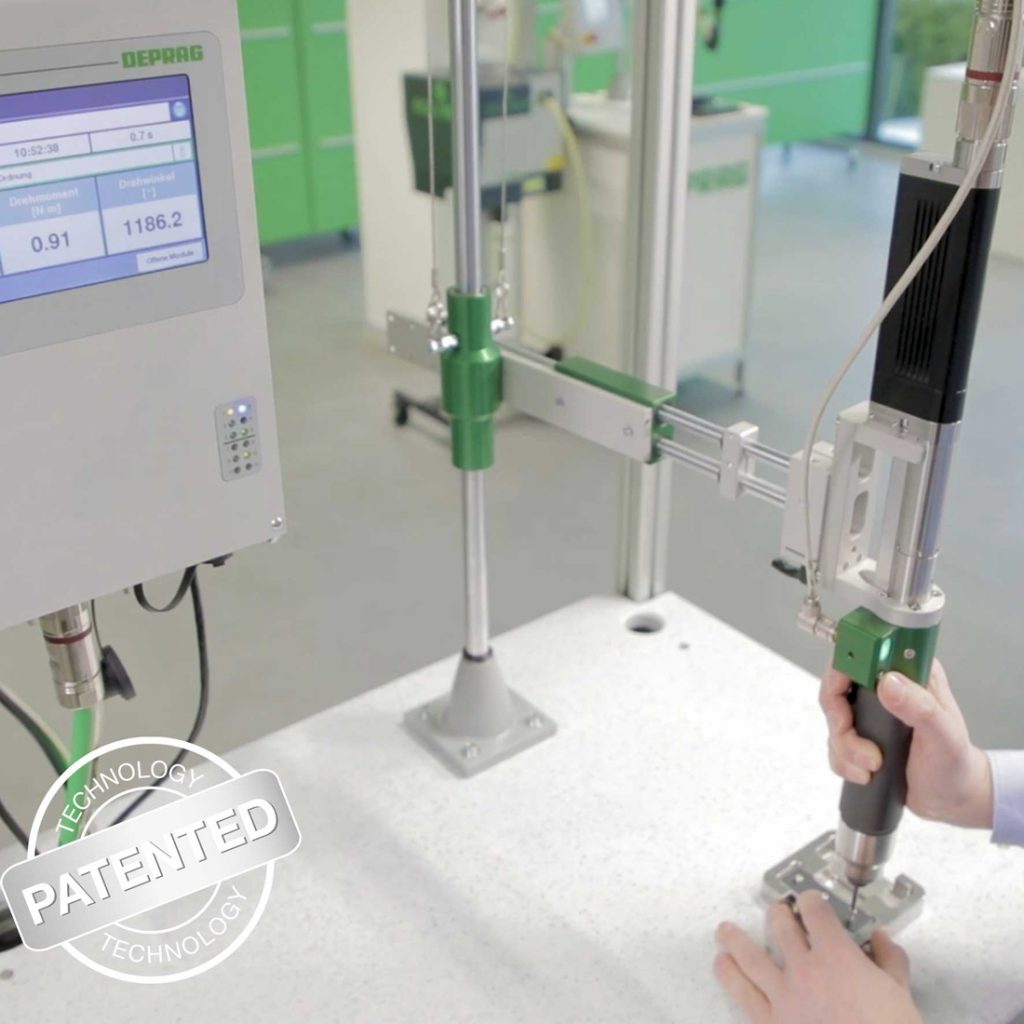
DEPRAG EC screw tightening technology:
– freely programmable screw tightening
– torque, speed and rotation can be individually adjusted to the mounting task
– high torque accuracy
– comprehensive monitoring functions
– ESD-capable
– ergonomic
– documentation available

ESD-capable:
ESD-compatible screwdrivers and accessories, e.g. power hoses.

Easy to use:
Ergonomic screwdriving tools for complex screw positions.

Traceability:
Complete traceability of the screwing process.

Technical cleanliness:
With the DEPRAG CleanFeed concept in all processing steps, from screw handling and feeding to screw assembly, avoid, reduce and remove particles.

Assembly components

Typically, threaded joints of category A according to VDI 2862 are used for the assembly of components in the automotive industry. Process reliability is of utmost importance and all processing steps must be documented and monitored.

The assembly process of the battery module or power electronics with a wide variety of components is very complex: numerous screws must be mounted in the correct order to ensure a constant preload force.

Within lightweight construction, especially in the field of electric mobility, aluminum, other light metals and synthetic materials are increasingly used. Highly variable torques are commonly the result of the frequently employed direct assemblies. Due to different material characteristics, the deposition conditions can also vary. As these are predominantly conductive connections and conductivity must be guaranteed, adaptive bolting procedures are recommended for reliable detection of the seating point.

EC-Servo technology with DEPRAG CFC Clamp Force Control

Adaptive bolting procedure DEPRAG CFC Clamp Force Control: despite fluctuating tightening torques, the procedure guarantees reliable detection of the seating point and ensures a uniform end position for subsequent final tightening, resulting in a constant preload force.

Process monitoring

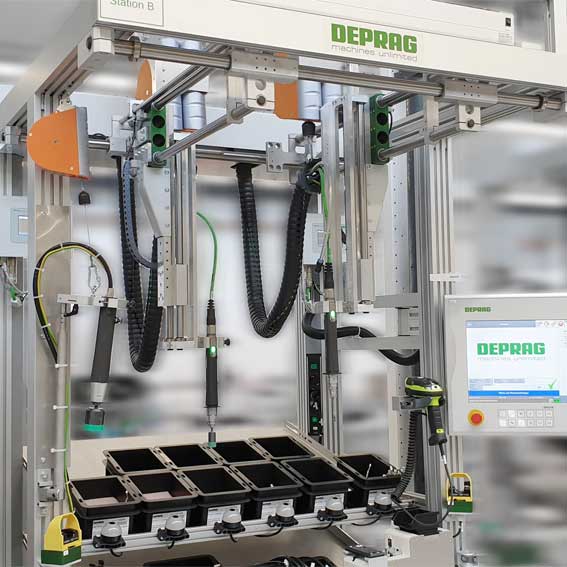
Position control stand (PKS)
Position control gantry (PKP)
Camera systems

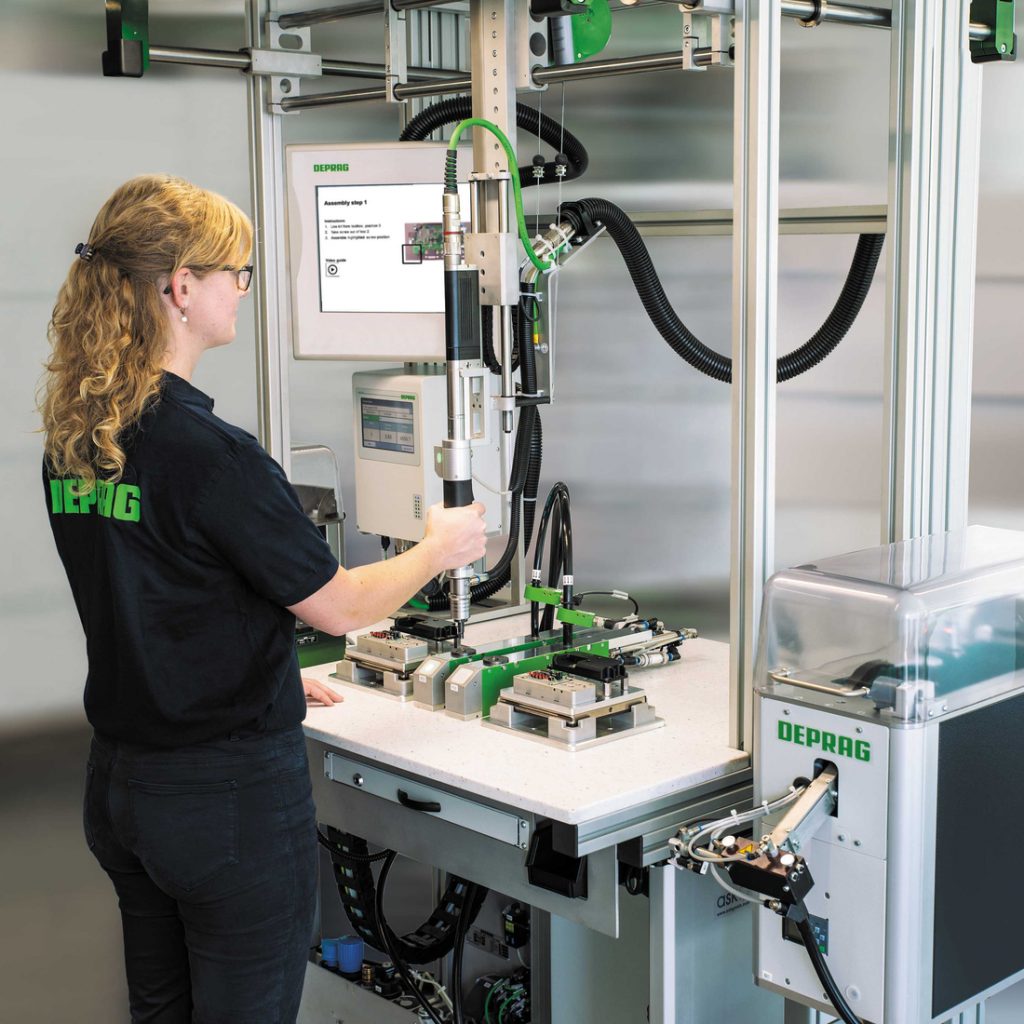
Process visualization with DEPRAG Operator Guidance

Digital assembly guides for operators: error-free assembly and traceability of all process steps, MES communication

Maximum process reliability:

– DEPRAG CFC Clamp Force Control screwdriving procedure: zero-error production and traceability.

– Position control: correct screw sequence for optimum quality.

– Process monitoring with camera systems.

– Complete documentation of production data.

– Visual operator guidance with DEPRAG Operator Guidance DOG.

Body and battery housing assembly

Lightweight construction and the resulting weight savings are among the main driving forces behind innovation in body construction and battery housing production within electric mobility.

Because the battery is heavy, the weight of the body and furnishings must be kept low. Lightweight construction materials are used to reduce the net weight of the vehicle and minimize energy consumption.

Assembly and joining technology is undergoing a radical transformation due to lightweight construction: the material mix determines the process and requires the highest possible level of flexibility of the fastening system.

The achievable travel range is the decisive factor when purchasing an electric vehicle. Lightweight construction to reduce energy consumption is a crucial issue within the field of electric mobility. The body material presents a challenge to traditional assembly methods. Whether it is an aluminum design or a sophisticated multi-material mix, DEPRAG has the solution.

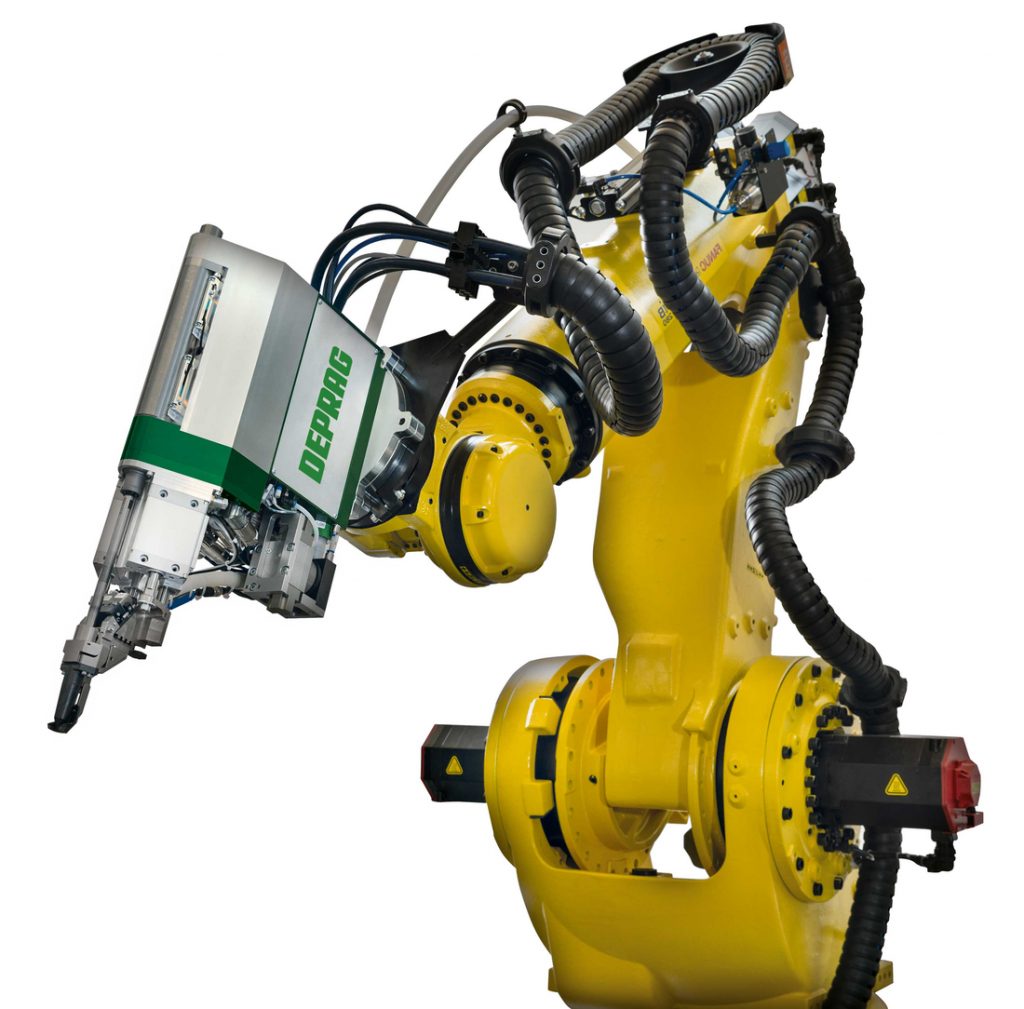
DFS DEPRAG ADAPTIVE FASTENING SYSTEM – Bolting system for light weight construction assemblies

Our many years of experience and the continuous expansion of our global knowledge have positioned DEPRAG as a leader and leading innovator in the development of intelligent SDS tools. Our patented transmission technology is unique in the market and has become a game changer in the industry. Hundreds of systems operating at automotive manufacturers around the world are impressive proof of this.

The selection of the correct fastening technology for lightweight construction is of utmost importance. Flow drilling screw assemblies are the technology of choice for lightweight body construction in the automotive industry. The ADAPTIVE DFS adaptive assembly unit combines EC-Servo screwdriving technology with EC-Servo feed technology. This enables automatic bore detection in the entire flow drilling assembly, independent of bolt and component tolerances. The processing parameters are automatically adjusted and the processing sequence is continuously optimized. The screwdriving system can be easily connected to a robot. There are no complicated and costly parameter settings.

Mounting and driving systems

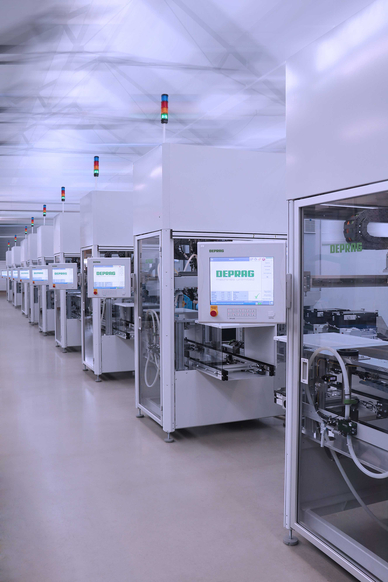
From highly automated large-scale systems, fully automated assembly lines, standard assembly units to reliable semi-automated manual workstations, we offer a huge range of automation solutions for electric mobility applications.

DEPRAG bolting and automation solutions meet all assembly requirements for electric mobility:

– Process reliability
– Flexibility
– Technical cleanliness
– ESD capability
– Ergonomics
– Traceability / MES

High flexibility specifically counteracts planning uncertainties and enables reactive responses to constantly changing requirements.

Close Menu

No products added for comparison.